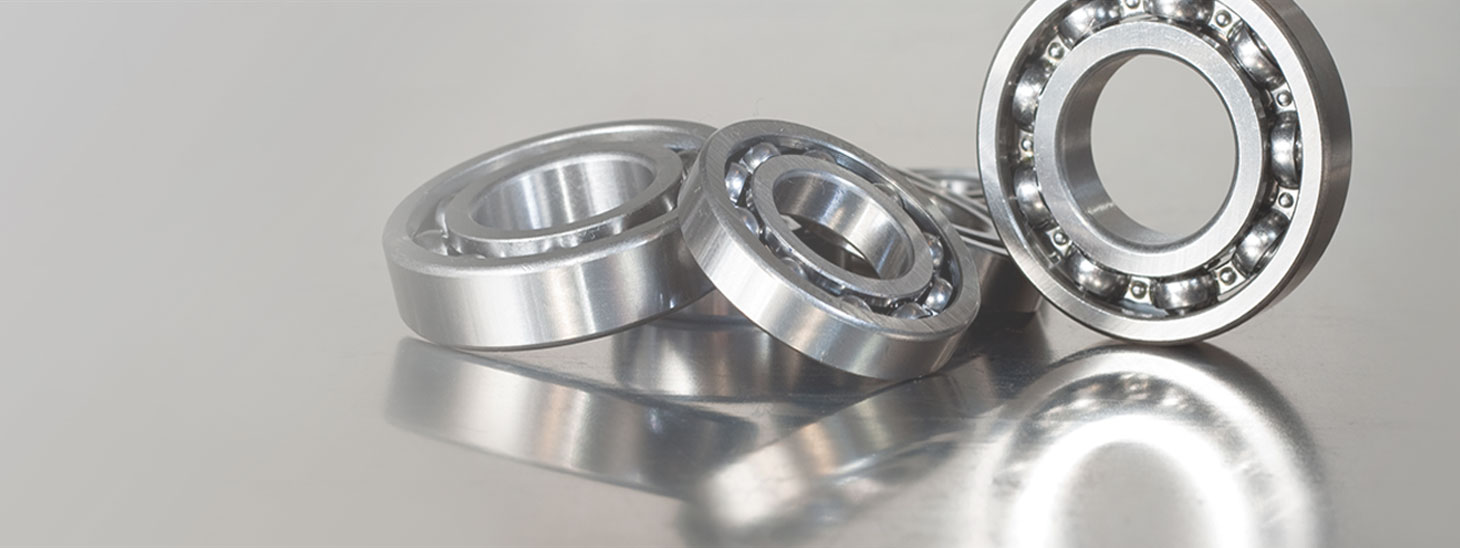
Industrial hardware parts used in machinery that run 24/7 require unmatched strength, durability, and precision. Aluminum forging is the ideal process to manufacture these components, as it refines the metal’s grain structure, enhances mechanical properties, and ensures long-lasting performance under demanding conditions.
Forged aluminum parts are widely used in brackets, couplings, hinges, clamps, fasteners, and gear components for industrial equipment. Compared with casting or machining, aluminum forging delivers superior toughness and reliability, making it the preferred choice for critical hardware applications.
We provide custom aluminum forging services for industrial hardware, including hot forging, precision forging, and CNC machining to meet your exact specifications. Contact us today to discuss your project and discover how our forging expertise can support your industrial hardware needs.
Aluminum Forging vs. Casting & Machining: A Comparison for Industrial Hardware Applications
To provide a clearer understanding of the advantages of forging in industrial hardware applications, we have compiled the following comparison table:
Characteristic
Aluminum Forging
Casting
Machining from Bar Stock
Internal Structure
Continuous grain flow follows the part's contour, creating a dense and refined structure.
Potential for internal defects such as porosity and voids.
Severs the natural grain flow of the material.
Mechanical Strength
Superior, especially in fatigue and impact resistance.
Fair to Good.
Good, but limited by the raw material grade.
Material Integrity
Excellent; free from internal porosity issues.
Higher risk; may require X-ray inspection for critical applications.
Good, but results in lower material yield.
Ideal Applications
High-load, high-stress, and safety-critical components.
Complex shapes, non-structural, or non-load-bearing parts.
Low-volume production, prototypes, or parts with relatively simple geometry.
Long-Term Reliability
Highest
Moderate
High
Frequently Asked Questions (FAQ)
Q: Why is forging recommended over casting for high-strength industrial components?
A: The primary reason lies in the material's internal structure. Forging shapes metal using immense pressure, forcing the internal grain to follow the part's contour. This creates a dense and robust structure, completely eliminating potential casting defects like porosity or voids. This results in unparalleled reliability and service life when parts are subjected to high stress, vibration, and impact.
Q: What are the most common aluminum alloy grades used for industrial hardware forging?
A: 6061-T6 is one of the most widely used grades, offering an excellent balance of strength, corrosion resistance, and machinability. For applications demanding higher strength, such as in aerospace or high-performance machinery, alloys like 2014-T6 or 7075-T6 are selected. AL Forge can recommend the optimal material based on your specific application requirements.
Q: How exactly does forging improve mechanical properties?
A: The immense pressure in the forging process not only closes any microscopic voids within the aluminum but also refines its grain structure. A finer, more tightly packed grain structure allows stress to be distributed and transferred more evenly, leading to significant improvements in the material's tensile strength, yield strength, and fatigue strength.
Q: What is the typical lead time for a custom forging project, from drawing to finished product?
A: The development cycle includes tool and die design, manufacturing, sampling, production, and any secondary processing. Generally, tool and die development takes about 4-8 weeks. The subsequent production timeline depends on the order quantity and part complexity. We recommend contacting our team as early as possible to allow for the most efficient project planning.
Q: Besides industrial hardware, what other sectors does your company's aluminum forging serve?
A: Our expertise is quite extensive. In addition to industrial machinery components, we are a long-term supplier for industries that demand high performance and safety, including the bicycle industry (e.g., cranks, stems), the automotive and motorcycle industries (e.g., suspension components, pistons), etc., providing high-quality aluminum forging solutions.